Frankie Butler · 9 September 2026
Community-Led Initiatives Breathing New Life Into Overlooked Rural Heritage Sites
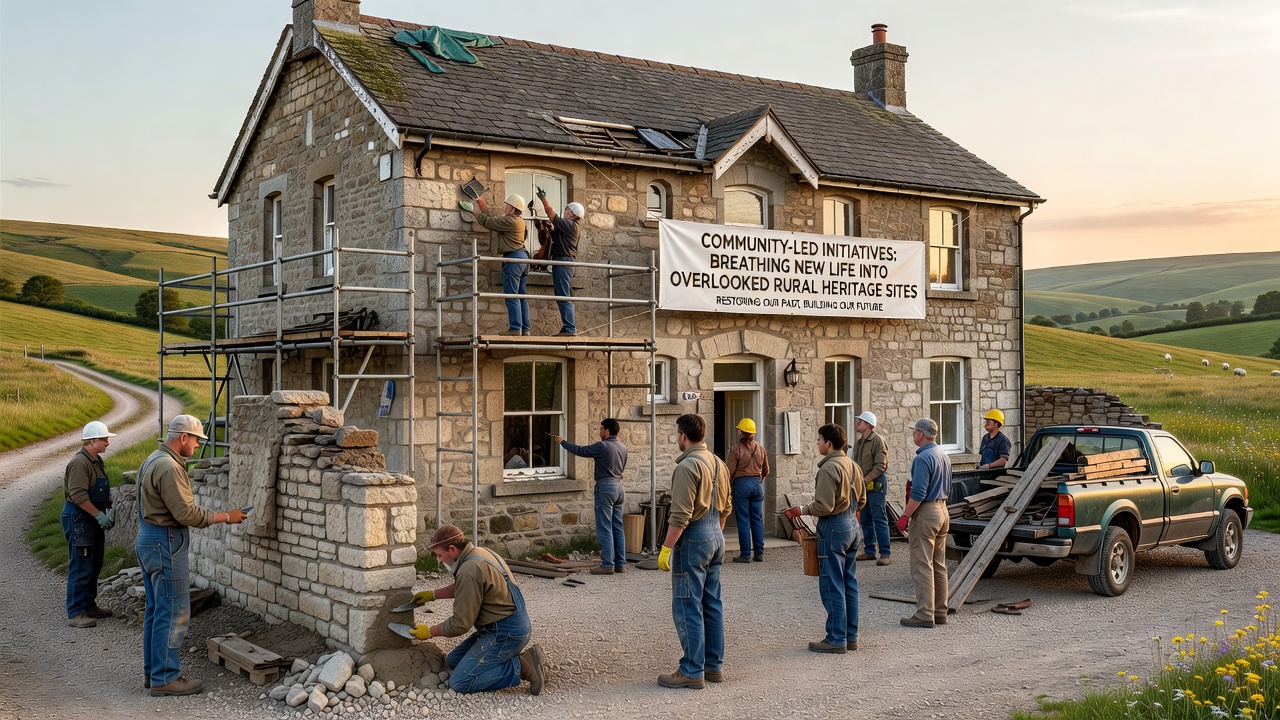
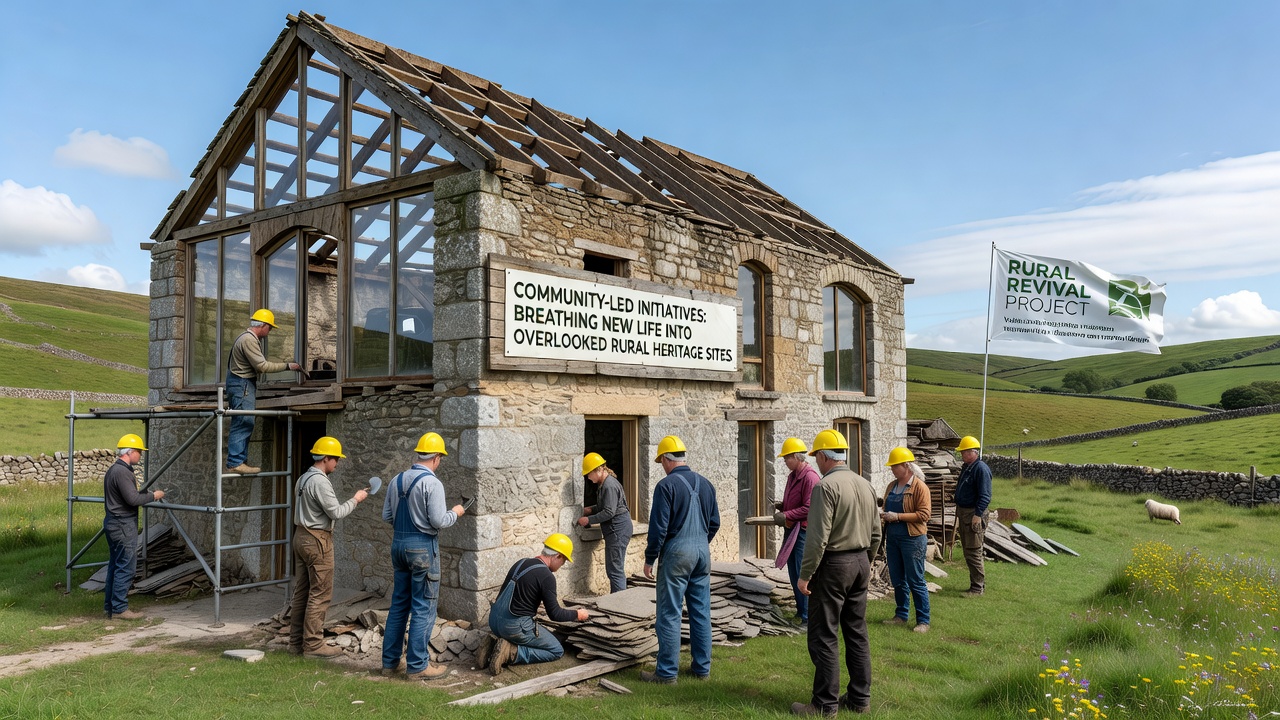
Community-led initiatives have started transforming overlooked rural heritage sites across multiple continents, where local groups take charge of preservation efforts that government agencies once managed alone, and these projects combine volunteer labor with traditional skills to stabilize structures that range from abandoned mills to historic farmsteads. Researchers at institutions focused on cultural conservation have documented how such efforts often begin with residents identifying sites at risk from neglect or development pressure, after which they organize workdays that restore functionality while maintaining historical integrity, and data from heritage organizations indicate participation rates have risen steadily since the early 2020s in regions facing population decline.
Core Elements Driving These Projects
Local knowledge forms the foundation for many of these initiatives because residents who grew up near the sites understand seasonal weather impacts and material availability better than outside consultants, while partnerships with universities supply technical assessments that ensure repairs meet conservation standards. Studies conducted by academic teams in North America and Europe reveal that projects incorporating both elements achieve higher completion rates and attract sustained funding from regional grants, and one case in the Canadian prairies showed a former grain elevator converted into a community archive after volunteers coordinated with Parks Canada specialists to address structural concerns. What's interesting here is the way funding streams now blend public allocations with crowdfunding platforms that allow diaspora communities to contribute directly, creating budgets that support both physical restoration and educational programming for younger generations.
Regional Examples and Documented Outcomes
In Australia, groups in the outback have revived derelict pastoral stations using methods passed down through Indigenous and settler families alike, and reports from the Australian Heritage Council highlight how these efforts have increased tourism visits by measurable percentages in participating towns. Across the European Union, similar work in remote villages has focused on chapels and irrigation systems that date back centuries, with data showing reduced maintenance costs once ownership transfers to local trusts that operate on volunteer schedules rather than salaried crews. Observers note that September 2026 will mark the release of a joint report from international heritage bodies tracking five years of such projects, and preliminary figures already suggest measurable upticks in site viability where community governance replaced centralized oversight. Take one researcher who tracked a cluster of sites in the American Midwest and found that volunteer-led cleanups correlated with lower vandalism incidents and higher school field trip bookings within two years of completion.
Challenges Encountered and Adaptation Strategies
Securing consistent resources remains a hurdle because rural economies often lack the tax base that urban heritage districts rely upon, yet groups have adapted by forming cooperatives that sell locally made crafts tied to the sites or host seasonal festivals that generate operating income. Legal frameworks in several countries now allow simplified title transfers to nonprofit community entities, and evidence from regulatory reviews indicates these changes have accelerated project timelines while maintaining accountability through periodic audits. But here's the thing: technical expertise gaps surface when traditional building techniques meet modern safety codes, so organizers routinely invite specialists for short workshops that train residents in both approaches simultaneously, and this model has produced replicable toolkits shared through online networks maintained by organizations like UNESCO's World Heritage Centre. Those who've studied these patterns know that success often hinges on early involvement of multiple stakeholders, including farmers whose land borders the sites and school districts that integrate the locations into curriculum units on local history.
Measuring Long-Term Impact Through Data
Quantitative assessments compiled by research institutions show that restored rural heritage sites contribute to regional economies through direct visitor spending and indirect effects such as increased property values in adjacent areas, and longitudinal surveys conducted over five-year periods demonstrate retention of younger residents when heritage work creates part-time employment or skill-building opportunities. Figures released by national conservation agencies reveal that community-managed properties experience fewer instances of deferred maintenance compared with sites left solely under public agency care, largely because daily presence by locals catches issues before they compound. And yet coordination across jurisdictions can introduce delays when permits require sign-off from multiple layers of authority, prompting some groups to pursue pilot designations that streamline approvals for low-impact interventions like vegetation management or interpretive signage installation.
Future Directions and Ongoing Developments
Digital documentation tools have entered the picture as communities adopt photogrammetry and drone mapping to create baseline records before physical work begins, and training programs offered through extension services at land-grant universities have made these technologies accessible without requiring expensive equipment purchases. Preparations for the September 2026 International Rural Heritage Symposium are already drawing participants from four continents, with sessions planned around scaling successful models to new regions while addressing climate-related threats like increased flooding or wildfire exposure. According to data compiled by Parks Canada heritage programs, sites that integrate climate adaptation measures during restoration demonstrate greater resilience in subsequent monitoring cycles, and this integrated approach now informs grant criteria in multiple countries. People involved in these initiatives continue to refine methods based on shared lessons, creating networks that exchange both practical techniques and funding strategies across borders.
Conclusion
Community-led preservation of rural heritage sites has produced measurable gains in structural stability, local engagement, and economic activity where traditional management models faced resource constraints, and the pattern shows continued expansion as legal and technical supports align with grassroots momentum. Data from multiple regions confirm that these efforts sustain cultural continuity while generating new uses for historic places that might otherwise deteriorate, and the upcoming September 2026 symposium will likely provide updated benchmarks for evaluating progress across diverse geographic and cultural contexts.